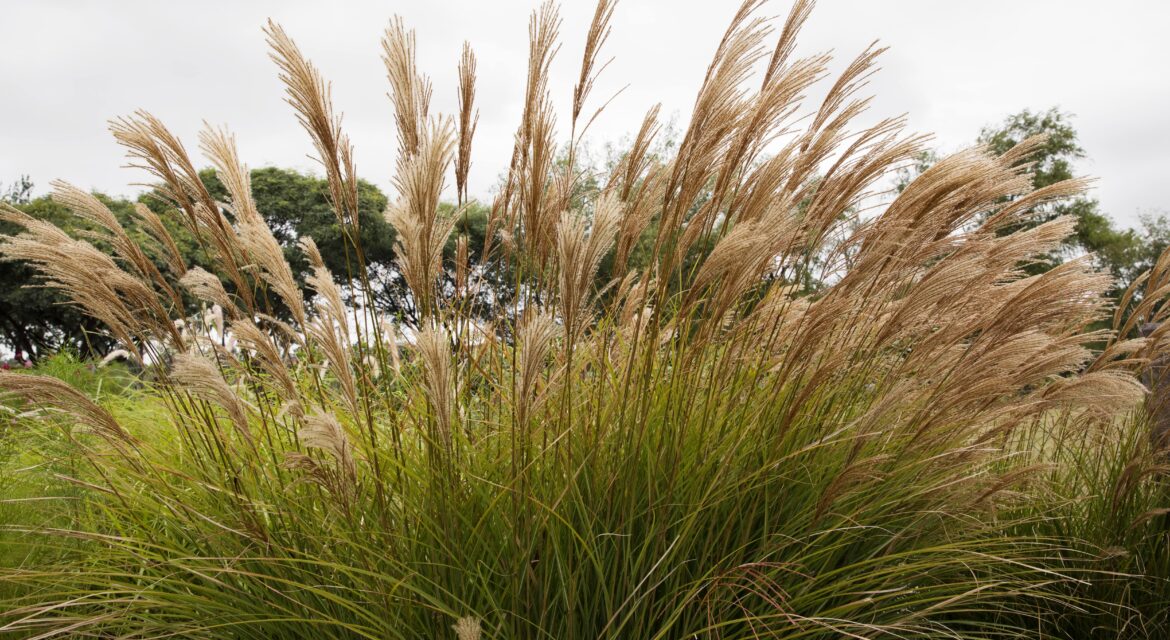



Miscanthus in Garden and Landscape Design

Landscaping with Miscanthus: Enhancing Beauty, Biodiversity, and Sustainability Miscanthus is not only a valuable plant for agricultural and industrial use but also an attractive element in garden and landscape design. With its aesthetic appearance and eco-friendly nature, Miscanthus offers a variety of benefits for gardeners and landscape designers. Incorporating Miscanthus

Read More

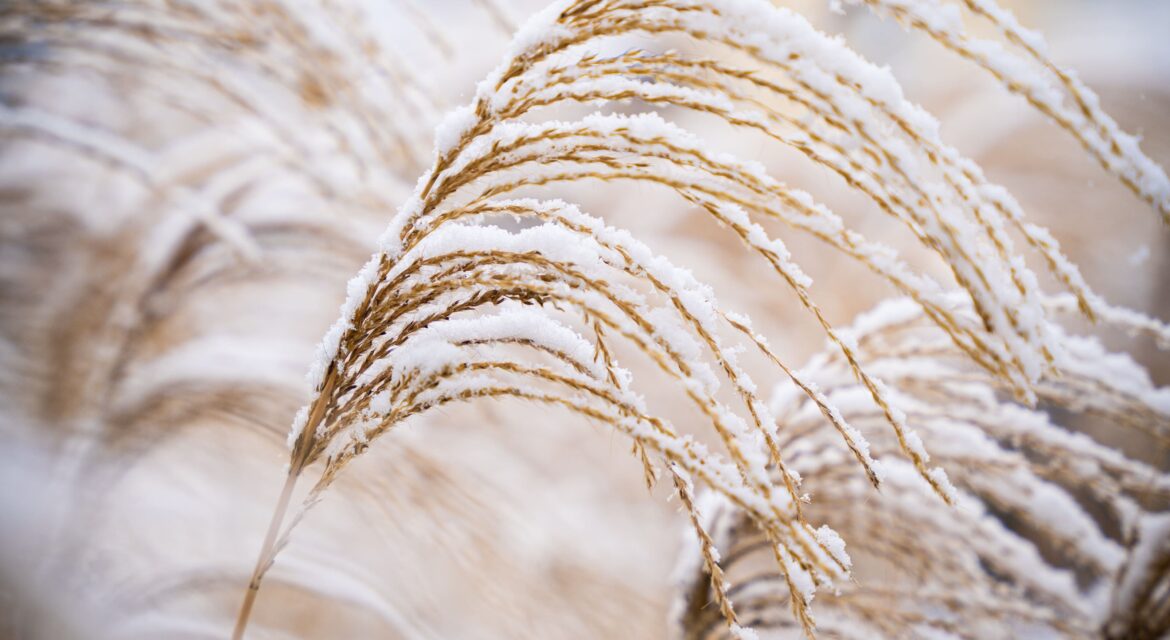
Miscanthus Construction: A Sustainable Raw Material for the Future

In a world rapidly moving towards sustainable construction practices, Miscanthus emerges as a promising renewable raw material. The unique properties of Miscanthus, including its strength and insulating capacity, make it an attractive alternative to traditional building materials. The integration of Miscanthus into the construction industry can signify a significant step

Read More
miscanthus miscos d.o.o. biofuel sustainable green energy

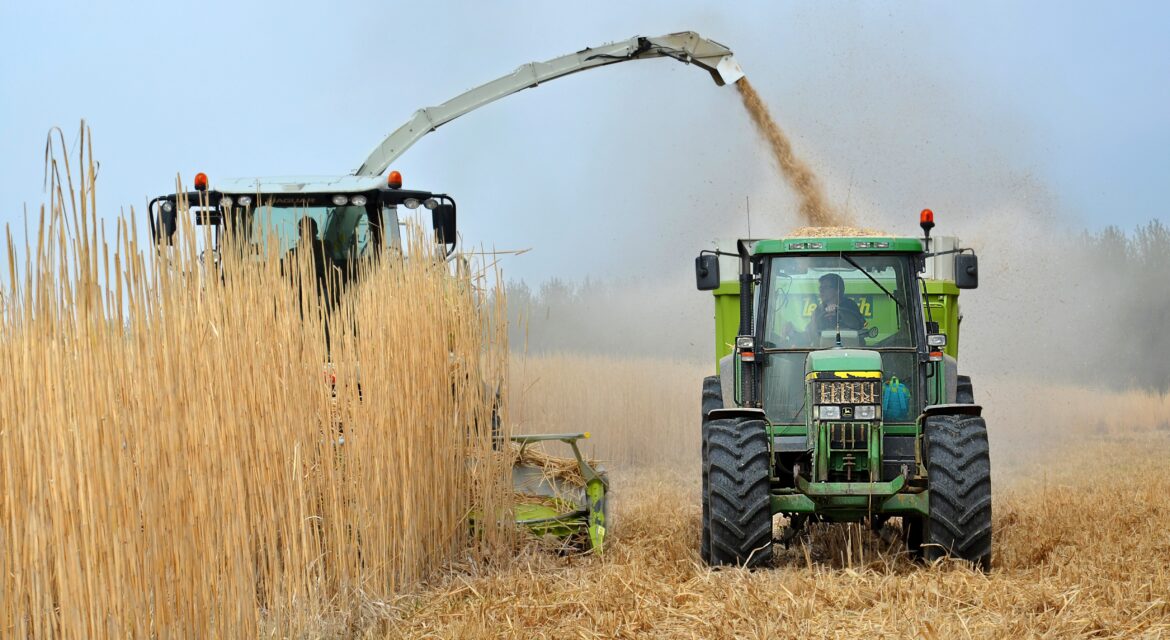
Miscanthus A Sustainable Energy Source of the Future

Miscanthus species, particularly due to their high biomass yield and high lignocellulose content, are valuable raw materials for bioenergy production. They have established themselves as a sustainable energy source promoting the commercial use of renewable energy sources​. The use of Miscanthus for bioenergy production is not new. In countries like

Read More

The Rapid Growth Turbo: Miscanthus x giganteus

Miscanthus x giganteus, a fast-growing variety of Miscanthus, is a true marvel of nature. In just a few months, this amazing grass can reach an impressive height of up to four meters. But that’s not all. Under favorable conditions, Miscanthus can produce up to 15 tons of dry matter per

Read More

Miscanthus: An Ecological Buffer and More

Miscanthus is not just a high-yielding plant, but also an ecological star. It can serve as a buffer zone between agriculturally used areas and forests, thereby protecting and promoting wildlife and other living beings​2​. This trait is particularly valuable in areas where the habitat for wildlife is threatened. Furthermore, Miscanthus

Read More